

Flood Damage Boarding Up in Milton Keynes (MK) – Securing Your Property After Water Ingress
Flood damage is stressful, messy, and time-critical. Whether it’s a burst pipe, a blocked drain, groundwater ingress, or water coming in through a damaged roofline, the priority is the same: make safe, prevent further loss, and secure the property if doors, windows, or frames have been compromised.
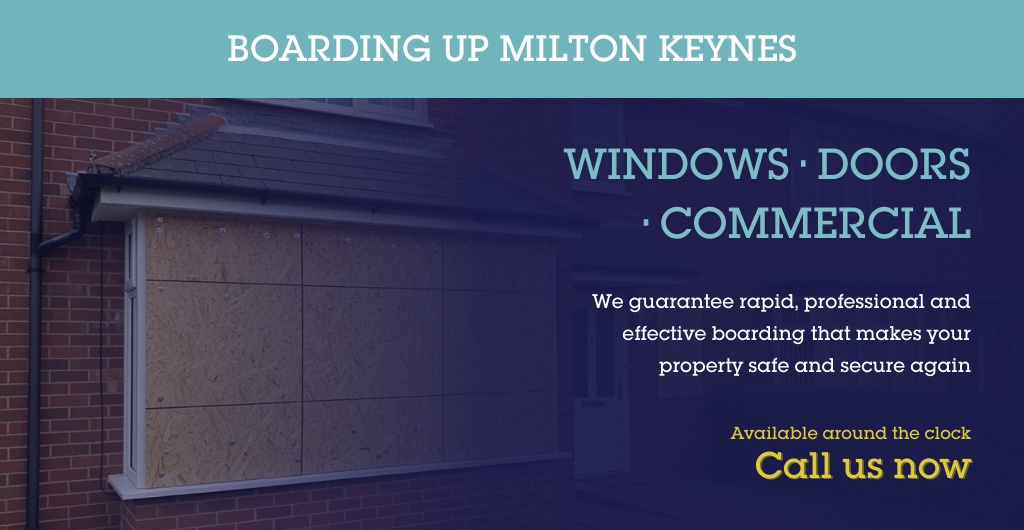
Boarding Up Milton Keynes provides emergency boarding up across MK postcodes (MK1–MK77) for homes, flats, shops and commercial units. We’re fully insured, have 10+ years trading, and our technicians are DBS-checked. If you need help now, we’ll ask a few quick questions and give you a realistic ETA based on workload and conditions.
Need urgent help after flood damage? Call 01908 024 702 or email us.
When flood damage leads to boarding up (and why it can’t wait)
Not every flood incident needs boarding, but many do—especially where the water has affected the security or integrity of openings.
Typical scenarios we attend across Milton Keynes and the wider MK area include:
- Front/back doors that won’t close because timber has swollen or the frame has shifted
- UPVC doors and windows that no longer latch after water gets into hinges, keeps, or multipoint locks
- Glazing cracked or broken during the incident (forced entry by emergency services, debris impact, or accidental damage)
- Ground-floor windows left open/removed for drying and dehumidifiers, leaving the property exposed overnight
- Commercial units where stock has been moved out and the premises needs to be secured quickly
- Vacant or unoccupied properties where water ingress has gone unnoticed and security is already weak
Flood events often bring secondary risks: opportunistic theft, further weather ingress, and accelerated deterioration of frames and finishes. If your property can’t be locked and you’re facing an out of hours situation, temporary boarding is often the simplest way to secure things until repairs and drying are underway.
If you need urgent attendance, see our dedicated page for emergency boarding up.
First steps after a flood (before we arrive)
If it’s safe to do so, these actions can reduce risk and help your insurer later:
- If there’s immediate danger, call 999. Don’t enter standing water if electrics may be involved.
- Stop the source (e.g., turn off the stopcock for a burst pipe) if you can do so safely.
- Avoid forcing swollen doors/windows. You can make damage worse and still not achieve security.
- Take clear photos and short videos of the affected doors/windows, frames, and waterlines.
- Contact your insurer early. Keep notes of times, names, and what was agreed.
- If there’s a break-in risk, move valuables to a safer part of the property (only if safe).
- Keep access available—keys, entry codes, or a site contact for landlords/facilities managers.
If you’ve had a burglary following a flood incident, our guidance on securing a property after a break-in may also help.
How we secure flood-damaged properties in Milton Keynes
Flood damage can be deceptive: a door might look intact but won’t deadlock, or a frame can be soft enough that screws won’t hold. Our job is to secure property in a way that’s appropriate for the condition of the building—without creating unnecessary extra damage.
1) We assess security and fixing points first
When we arrive, we check:
- Whether doors/windows close and lock properly
- Frame condition (swollen timber, loose fixings, waterlogged reveals)
- Any cracked glazing, missing panes, or unstable beading
- Whether the opening needs ventilation for drying (important after flood damage)
- Occupancy: is the property lived-in, vacant, or between tenants?
If there’s structural damage, we’ll tell you what we can and can’t safely fix into. If the frame is too compromised for non-destructive methods, we’ll explain the options before proceeding.
2) We choose the right method: plywood, OSB, or a temporary steel door
Flood-related boarding isn’t “one-size-fits-all”. Depending on the opening and how long it needs to stay secure, we may use:
- 18mm exterior-grade plywood for robust security on larger or more vulnerable openings
- 12mm OSB for smaller openings or where a lighter-duty solution is appropriate
- Anti-tamper fixings (where suitable) to reduce the chance of boards being removed from outside
- Temporary steel doors for damaged entrances that need frequent access while works are ongoing
If you need a quick board up broken window after water damage or associated impact, our window boarding in Milton Keynes service explains the approach in more detail.
If the main entrance is the issue (a door that has warped, won’t latch, or has been forced), see door boarding up.
3) We “make safe” and aim to keep the site workable
After a flood, you may have drying equipment running, contractors coming and going, or parts of the property being stripped back. We can secure the building while still keeping it practical:
- Boarding that keeps the opening secure but allows planned access
- Options that reduce risk for overnight security
- Commercial solutions for units where you need to protect stock and equipment
For businesses with damaged frontage glazing, we can arrange shopfront boarded up solutions via shopfront boarding.
4) Documentation for insurance and landlords
We’re not loss adjusters, but we provide documentation insurers typically ask for, such as:
- Time-stamped photos of the secured openings
- An itemised invoice and clear work statement
- Notes on any limitations (e.g., frame too saturated for certain fixings)
If you’re making a claim, our page on insurance claims support explains what information to keep and how boarding up is usually treated by insurers.
Common flood damage problems we see (and what usually works)
Swollen timber frames that won’t take screws
If timber has taken on a lot of water, it can become soft and unreliable for fixings. In these cases we may:
- Fix into more stable surrounding structure where safe and appropriate
- Use a different boarding layout to spread load
- Recommend a temporary steel door if repeated access is needed and the original door can’t be secured
Doors that “close” but don’t lock
This is very common after water ingress. A multipoint lock may not engage or the keeps may not align. If we can’t achieve secure locking quickly and safely, boarding (or a temporary steel door) is often the most reliable short-term solution.
Properties left exposed during drying
Some openings get left open for airflow and dehumidifiers, particularly in ground-floor rooms. We’ll talk through the trade-off between ventilation and security, and aim for a solution that keeps the building protected without making restoration harder.
A typical flood-damage call-out in the MK area (example)
A typical call-out might involve a ground-floor flat or house in the MK area where a leak has caused extensive water ingress overnight. By the time the water is controlled, the front door has swollen and the lock won’t engage, and a window has been left unsecured to run drying equipment and remove damaged contents.
We’d attend, assess which openings are no longer secure, and then install temporary boarding to the vulnerable points—often using 18mm exterior-grade plywood on the most accessible elevations. Where a doorway needs frequent access for ongoing restoration works, we may recommend and fit a temporary steel door so the property can be locked properly between visits.
Before leaving, we provide photos and an itemised invoice suitable for insurers or managing agents, and confirm what was secured and any limitations due to the condition of frames or masonry.
What to do right now if your property has flood damage and won’t lock
If you’re reading this because you’re dealing with a smashed window, a door that won’t secure, or you’re worried about leaving the property overnight:
- Check for immediate hazards (electricity, unstable ceilings, contaminated water).
- If there’s a crime or forced entry, call the police and keep your reference number.
- Photograph the damage before anything is moved, if safe.
- Call us to secure the property—we’ll ask what’s happened, the opening sizes, and whether access is available.
- Don’t attempt a DIY board-up with unsuitable fixings—poorly fixed boards can be removed easily or cause more damage.
For urgent attendance, go straight to 24/7 boarding up or call us now.
Why choosing the right temporary security matters after a flood
Flood recovery can take time—drying alone can run into weeks. During that period, the property may be:
- Partially unoccupied
- Open to contractors and deliveries
- Easier to access due to damaged locks/frames
- More visible (skips, drying kit noise, open windows)
Secure boarding reduces the chance of opportunistic theft and helps you stay in control of access while repairs are arranged. If the property is empty, you may also want to consider longer-term securing options discussed on our vacant property boarding page.
FAQs – Flood damage boarding up in Milton Keynes
Is flood damage boarding up classed as an emergency?
It can be. If you can’t lock doors/windows, have a broken pane, or need to make safe after water ingress, it’s often urgent—especially out of hours when you can’t get a glazier or locksmith immediately.
Can you board up a door that has swollen and won’t shut?
Yes. If the entrance can’t be secured normally, we can board up door openings or discuss a temporary steel door depending on access needs and how long the property will remain vulnerable.
I need to board up a broken window tonight—can you help?
If you have a smashed window or missing pane after a flood incident, we can arrange emergency boarding up and secure the opening with appropriate materials. For details, see window boarding in Milton Keynes.
Will boarding up stop further water getting in?
Boarding is primarily for security, but it can also reduce exposure to wind-driven rain through broken glazing. If the issue is an overhead opening, you may need roof boarding as part of making the building weather-tight.
Do you work with landlords and managing agents across MK postcodes?
Yes. We regularly help landlords, housing providers, and facilities teams across MK1–MK77 with documentation, access coordination, and practical temporary security while repairs are scheduled.
Can you provide paperwork for my insurer?
We provide time-stamped photos and an itemised invoice/work statement—what insurers typically ask for. For claim guidance, visit insurance claims support. We’re not loss adjusters, but we can help you keep the record clear.
Should I wait for drying before securing the property?
No—security usually comes first. Drying can continue once the building is secured. If ventilation is needed, we’ll discuss options so the property stays protected while restoration progresses.
How long does temporary boarding stay in place?
It depends on the situation. Some customers only need overnight security; others need boards in place until glazing, doors, or frames are repaired. If you expect a longer period, we’ll advise on more suitable solutions during the visit.
Speak to a local boarding-up team in Milton Keynes
If flood damage has left your home, shop, or unit unsecured, we can help you secure property quickly and professionally across Milton Keynes and the MK postcode area.
Need help now? Call 01908 024 702 for immediate assistance, or email us with photos and your postcode for a fast call-back.
